






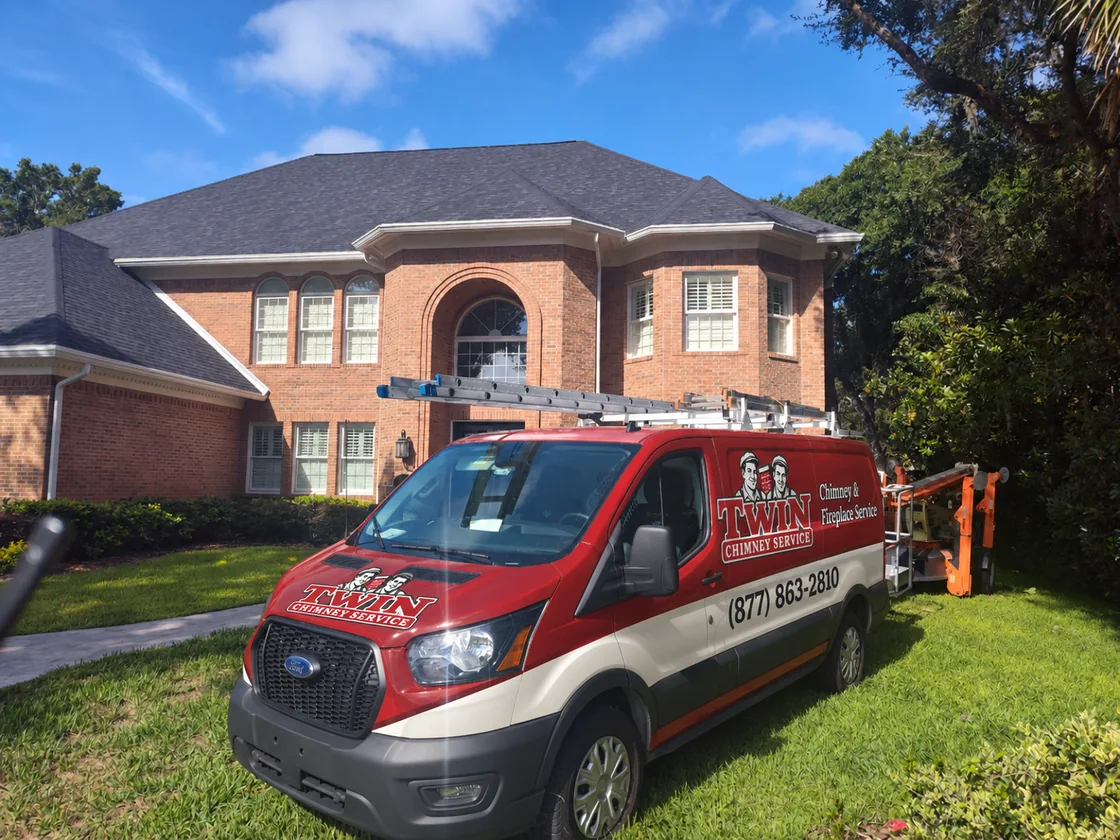
About This Service
Identify Unusual Outlet Shapes
A nonstandard-looking termination should not be forced into the closest familiar product size. Its shape and system identity need assessment. Keep an available model or old part description for the visit; final fit should be established at the outlet rather than inferred from the ground.
Do Not Assume an Unused Opening Is Abandoned
A flue that has not been used recently may still be part of an installed system. Ask for its role to be established before a cover arrangement changes it. Capping for weather protection and permanently closing a passage are different projects.
Assess Noise Before Replacing Parts
A rattling sound can be useful to describe, especially if its timing is consistent. It does not locate a loose fastener or establish which part is vibrating. The inspection should connect the observed condition with the proposed work rather than order a replacement on sound alone.
Confirm What Custom Fabrication Includes
A custom cover still needs a defined fit and application. Ask which openings, attachment and supporting conditions its specification addresses. The fact that a piece is fabricated to measurements does not automatically establish that it is appropriate for the connected chimney system.
Separate Weather Protection From Readiness to Use
Replacing a missing cap may protect an appropriate outlet, but it does not establish the condition of the passage or fireplace below. If the system has been unused or its maintenance history is unknown, raise that separate question before planning the next fire.