









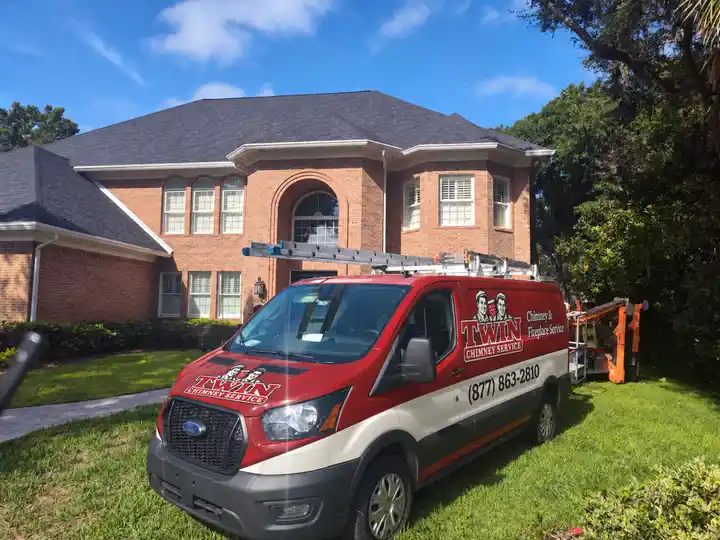
About This Service
Check the installed top assembly
The top configuration affects how a cap, cover or other component is fitted. Twin discusses the existing assembly before recommending replacement. A new part should correspond to the installed construction, rather than being selected only because its appearance resembles the old piece.
Keep recurring symptoms documented
A short account of when moisture returned after earlier work can be useful. Record the observation without exposing yourself to roof access or reproducing unsafe conditions. This history helps distinguish a recurring complaint from a new symptom at a different location.
Use records to clarify prior work
A previous estimate can identify whether flashing, masonry or a chimney-top component was actually repaired. Share it when available. That distinction helps avoid attributing a later symptom to a component that was never part of the earlier scope.
Explain Intermittent Moisture Honestly
A leak that is not active during the visit still needs a clear history. Describe when water was actually observed and whether a stain changed between events. The absence of visible water at one moment is not proof that the concern is resolved, but the pattern alone does not justify a specific repair either.
Do Not Rule Out a Concern From Appearance Alone
A chimney can look intact from the ground while a reported water issue still needs assessment. Conversely, a visible surface mark does not establish hidden damage. Explain the actual observation and let the scope of inspection determine what can be established about the relevant components.