






About This Service
Include Safe Access in the Plan
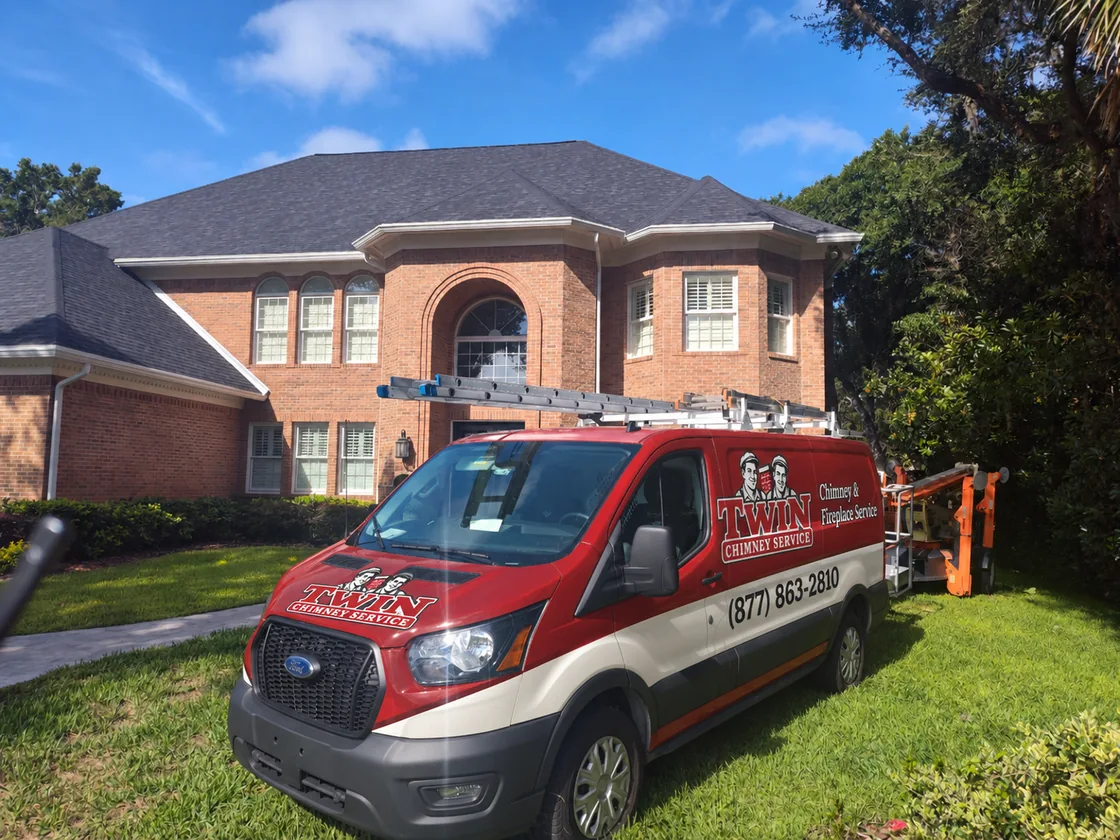
Chimney position, roof shape and access restrictions affect the replacement plan. Mention locked access or other constraints when scheduling. Twin plans the elevated work and discusses any effect on scope before approval; homeowners should not remove the old cap or prepare the roof.
Identify Unusual Outlet Shapes
A nonstandard-looking termination should not be forced into the closest familiar product size. Its shape and system identity need assessment. Keep an available model or old part description for the visit; final fit should be established at the outlet rather than inferred from the ground.
Report Changed Operation as a Separate Concern
If fireplace behavior changed before or after an earlier cap fitting, include that history. It does not prove the cap caused the problem, but the connected system deserves assessment. Do not keep operating a suspect fireplace to test a theory about the outlet.
Handle an Unavailable Product Openly
An obsolete fitting can require identification of an appropriate current option. The proposal should state what was confirmed and what remains uncertain. A similar-looking part should not be described as equivalent without support from the relevant system or product information.
Keep Product Supply Separate From Installation
A supplied cap and an installed cap are different scopes. Check whether the proposal includes removal, attachment work and any supporting repairs or whether it covers only the component. That distinction is especially useful when comparing an online product price with a service estimate.