






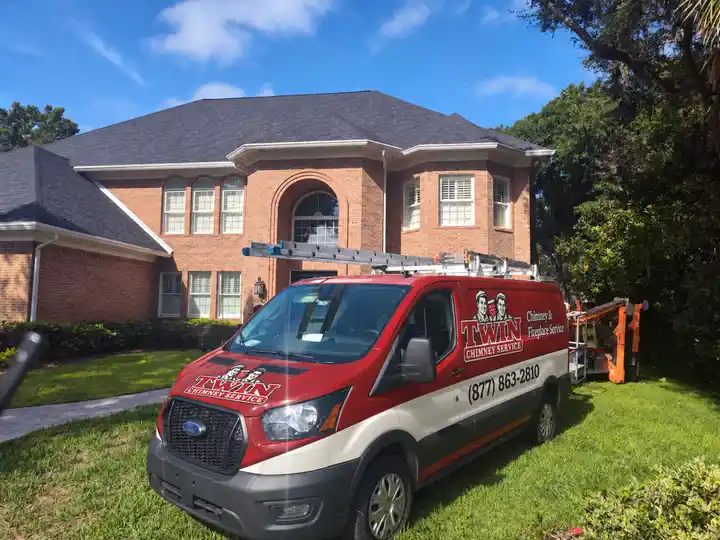
About This Service
Protect interior restoration plans
Repainting or replacing a damaged finish does not itself correct exterior water entry. We discuss the relevant chimney work before treating interior restoration as complete. Interior repair can have its own contractor and scope, which should be scheduled with the moisture concern in mind.
Describe the affected fireplace
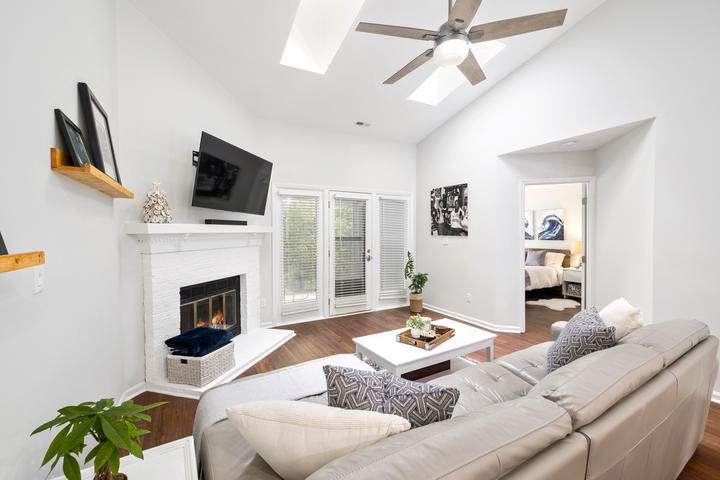
Where a home has multiple fireplaces, identify which opening or room shows moisture. The systems may have separate components and service histories. Findings for one should not automatically become a repair recommendation for every chimney at the property.
Explain removal and replacement limits
Repairing a particular detail may require removing earlier material or accessing an adjacent surface. The proposal should state which work is included and what restoration remains separate. This gives the homeowner a clearer understanding than a general promise to seal the chimney.
Keep weather observations factual
Describe the circumstances you personally observed rather than assuming a particular wind or rain pattern proves the cause. Twin considers that history alongside the installation. A service-area address alone does not establish exposure, construction or the source of a leak.
Recognize a Separate Building Leak
Water visible near a chimney may require assessment of adjacent building elements as well. The chimney service scope should identify its boundary instead of promising to resolve every source in the surrounding structure. If another trade is needed, that next step should be discussed before interior restoration is treated as complete.