






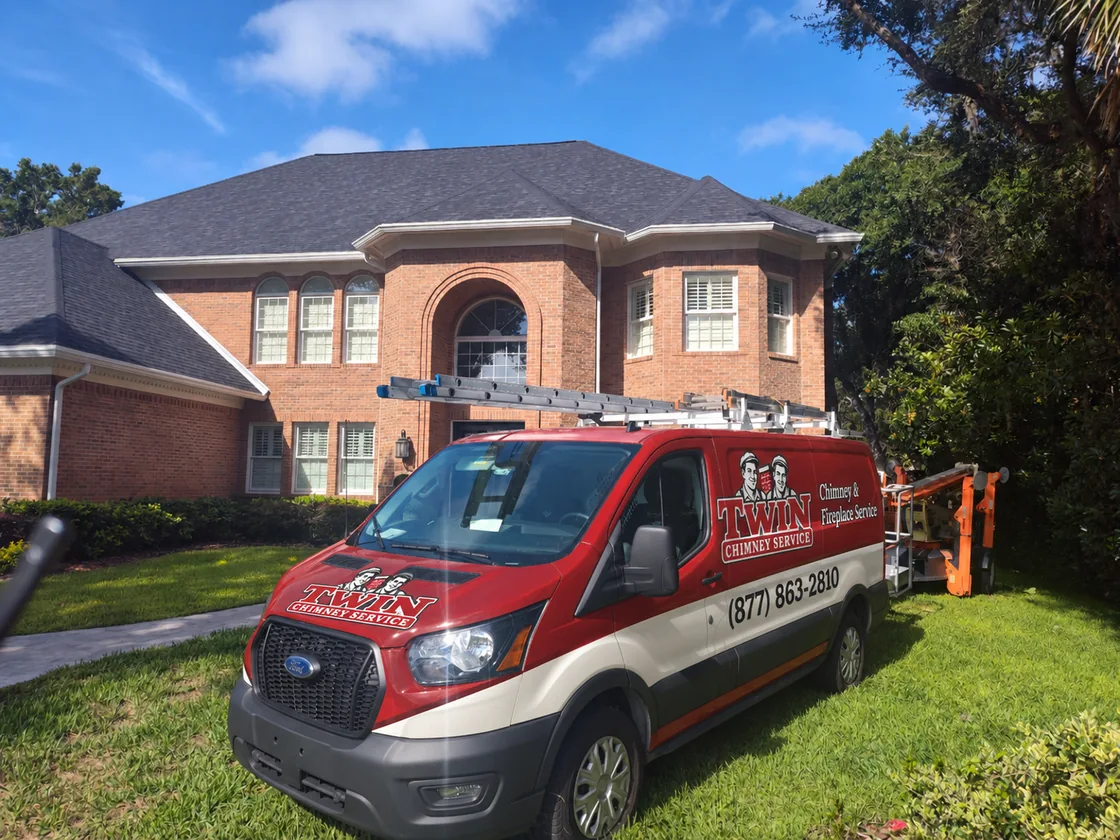
About This Service
Confirm Fit Before Choosing the Product
Outlet shape, dimensions and fitting method determine cap selection. A photograph can suggest a style but cannot confirm compatibility. Twin assesses the termination before specifying the replacement; homeowners can describe the concern from the ground and leave elevated measurements to the service visit.
Identify Every Termination Being Covered
An individual flue cap and a cover spanning multiple outlets protect different arrangements. Have each opening included in the estimate identified. A price for one fitting should not be read as replacement of every cap or cover visible at the chimney top.
Include Safe Access in the Plan
Chimney position, roof shape and access restrictions affect the replacement plan. Mention locked access or other constraints when scheduling. Twin plans the elevated work and discusses any effect on scope before approval; homeowners should not remove the old cap or prepare the roof.
Consider Future Service Access
The replacement should suit the maintenance requirements of the chimney system. Ask how future access is accommodated by the specified design, without assuming every cover opens or removes in the same way. Retaining product information helps a later service visit identify the fitting.
Separate Weather Protection From Readiness to Use
Replacing a missing cap may protect an appropriate outlet, but it does not establish the condition of the passage or fireplace below. If the system has been unused or its maintenance history is unknown, raise that separate question before planning the next fire.