






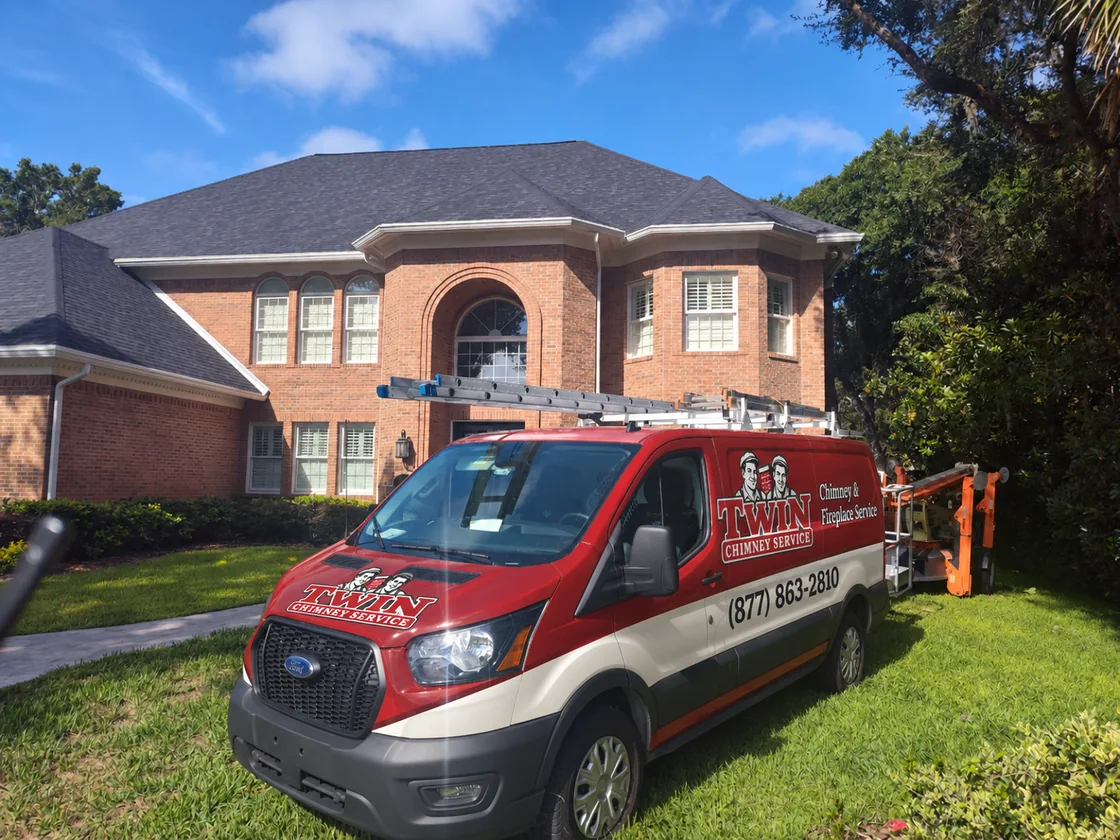
About This Service
Distinguish cap from crown
A cap and the masonry crown are different chimney-top components. A missing cap does not establish that every leak originates at the opening, and a cracked crown needs its own assessment. The repair scope should name the part being corrected and explain its relationship to the reported concern.
Review masonry defects before coatings
BIA guidance treats investigation and correction of defects as part of addressing water penetration. A water-repellent treatment is not a substitute for repairing failed joints or other defects. We discuss whether the material and condition support a treatment after the underlying concern is understood.
Account for earlier patches
The type and location of an earlier patch may influence the current condition. Share records or an accessible photograph if available. Twin assesses surrounding materials and explains whether the proposed work corrects the failed detail, removes unsuitable material or addresses a separate concern.
Consider damaged masonry in context
Cracked units and deteriorated joints require assessment of the affected materials and adjacent condition. The repair should identify the defect being addressed. A material repair, a surface treatment and a roof-junction repair are separate tasks with different purposes.
Record New Damage Without Assuming Its Cause
If a chimney concern was noticed after a weather event, describe the change and when it was first seen. That timing helps establish the history but does not determine every damaged component or responsibility for repair. Assessment should identify the present condition before the work is specified.