






About This Service
Plan Access Behind an Insert Surround
An insert surround can conceal connections or access points relevant to a repair. Its decorative front should not be removed casually to look for a fault.
Tell us the insert model if known and describe what was observed. The estimate should explain any required access and whether removing or restoring a surround is included.
Connect an Interior Finding to Chimney-Top Work
A report about a missing cap or damaged top does not automatically explain every interior fireplace problem. The top component and the affected interior should have their own findings.
Share any existing chimney proposal. Twin can identify where the scopes meet and what additional assessment is needed without treating one repair as a cure for all symptoms.
Report Heat Damage Before Replacing a Finish
Scorched, distorted or unusually discolored material near the opening deserves attention before decoration resumes. Describe which surface changed and the operating history already observed.
Keep the fireplace unused if the condition is uncertain. The repair plan should identify the damaged material and any separate question about the appliance or surrounding arrangement.
Separate a Draft Complaint From a Closure Repair
Cold air at a fireplace can prompt a damper request, but the complaint alone does not confirm which component needs work. The installed system and required exhaust path matter.
Do not block an opening to experiment. Twin can review the existing closure, describe the finding and explain which operating or building concerns remain outside a component repair.
Identify Which Fireplace Needs Each Repair
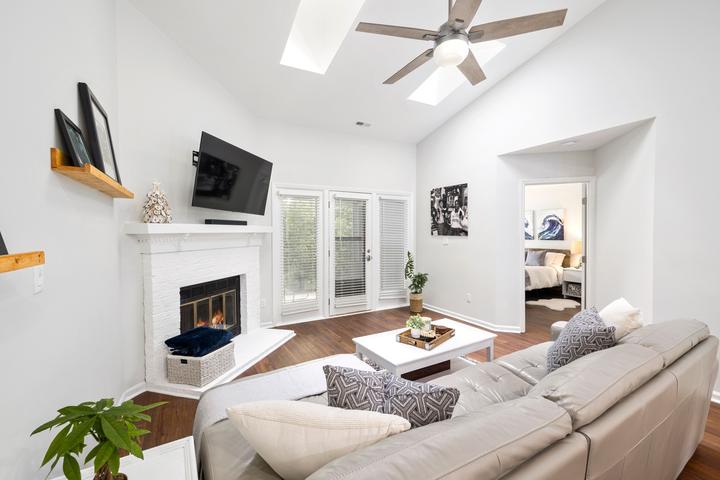
Homes with more than one fireplace can have different systems and separate maintenance histories. A part or repair recommended for one opening should not automatically be applied to another.
Describe each location and its symptom when booking. The estimate should identify the fireplace served by each task so pricing and completion records stay clear.