






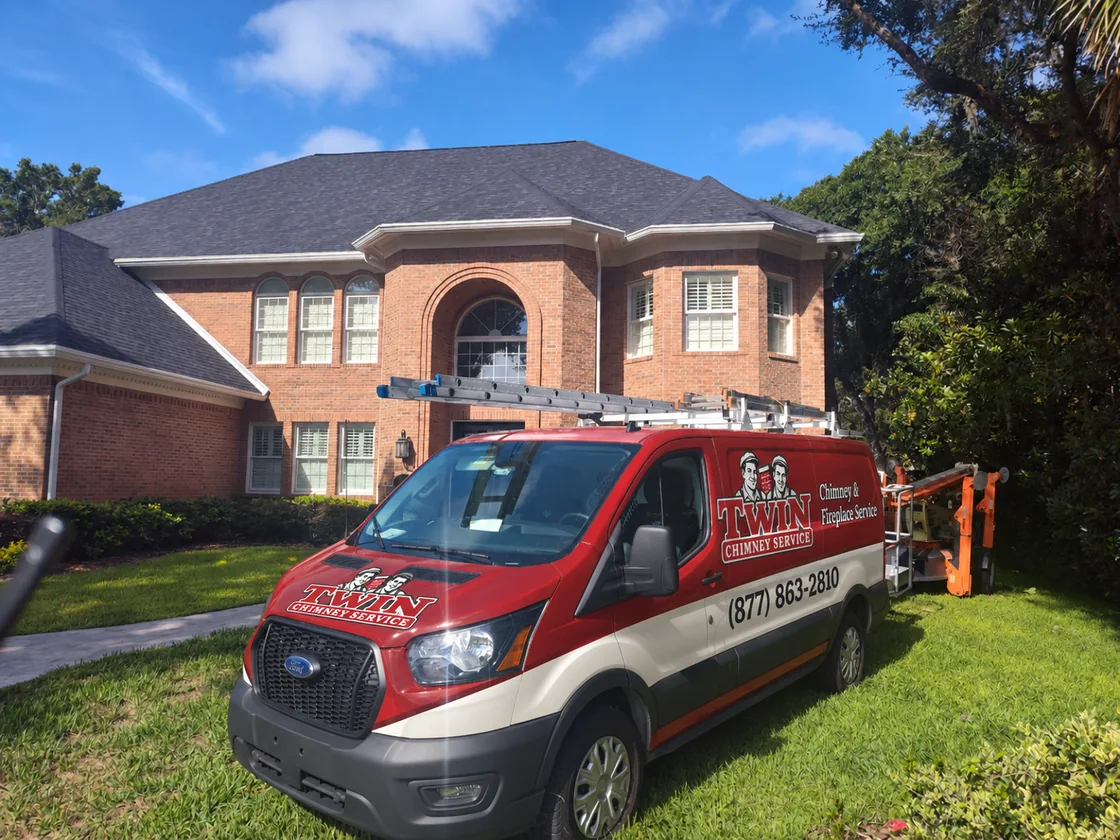
About This Service
Review masonry defects before coatings
BIA guidance treats investigation and correction of defects as part of addressing water penetration. A water-repellent treatment is not a substitute for repairing failed joints or other defects. We discuss whether the material and condition support a treatment after the underlying concern is understood.
Account for earlier patches
The type and location of an earlier patch may influence the current condition. Share records or an accessible photograph if available. Twin assesses surrounding materials and explains whether the proposed work corrects the failed detail, removes unsuitable material or addresses a separate concern.
Protect interior restoration plans
Repainting or replacing a damaged finish does not itself correct exterior water entry. We discuss the relevant chimney work before treating interior restoration as complete. Interior repair can have its own contractor and scope, which should be scheduled with the moisture concern in mind.
Use records to clarify prior work
A previous estimate can identify whether flashing, masonry or a chimney-top component was actually repaired. Share it when available. That distinction helps avoid attributing a later symptom to a component that was never part of the earlier scope.
Separate Condensation Questions From Rain Entry
Dampness near equipment should be described without assuming it is rainwater from the chimney top. The timing, location and installed system can lead to different assessment questions. Twin discusses whether the proposed chimney repair addresses the observed concern or whether another cause remains to be investigated.